
An Interplay: Tariffs, the Global Economy, the IT Spending Landscape, and a Financial Case for Pre-Owned, Refurbished Infrastructure Hardware
The global economy is a vast and intricate web, constantly influenced by a myriad of factors, both predictable and unforeseen. Among these, tariffs stand out as a significant disruptor, capable of sending ripple effects across international trade, national economies, and critically for businesses, their IT spending strategies.
Sky Asia Technology Editorial
9 min read
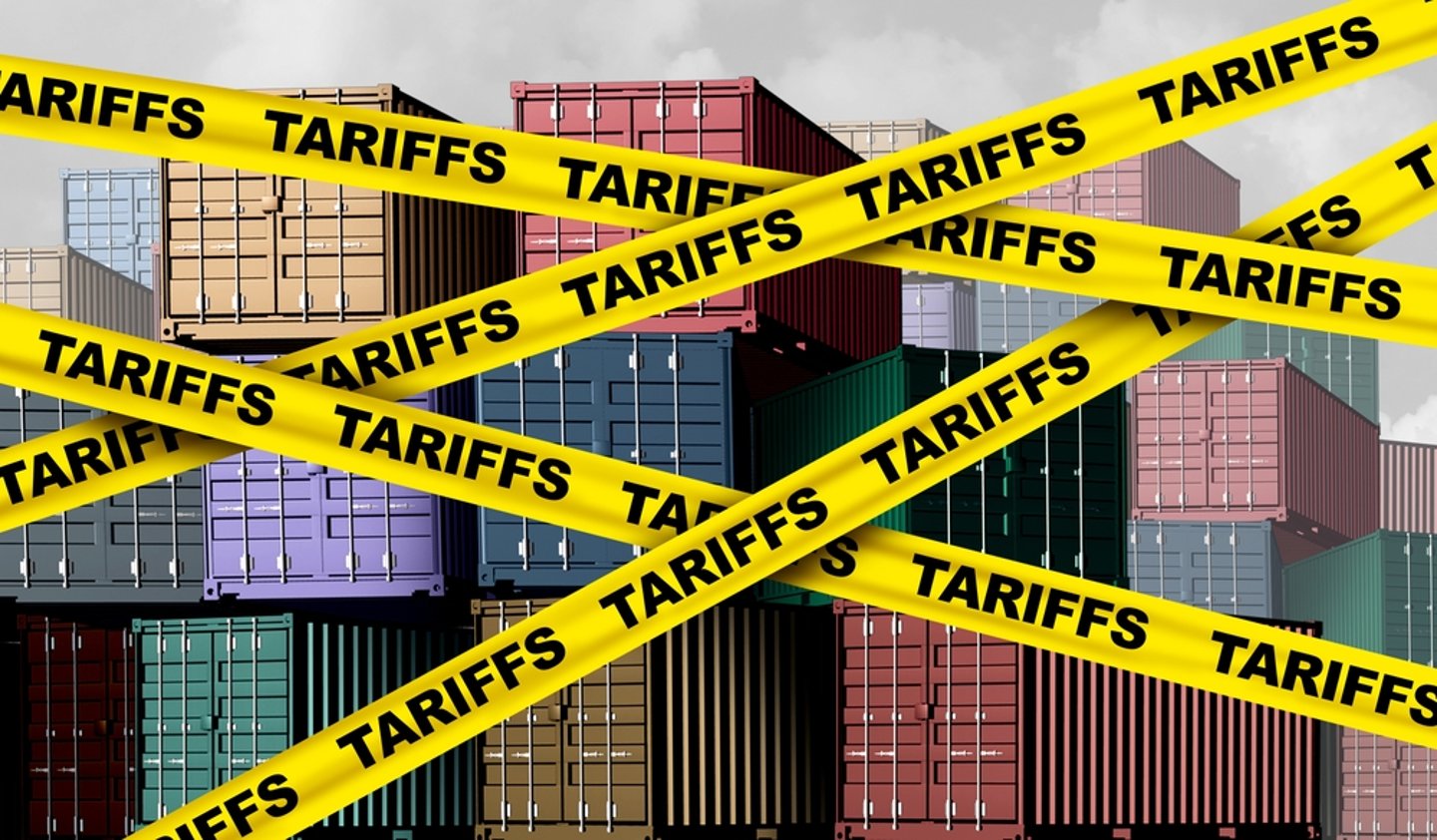
In an era marked by geopolitical and economic uncertainties, IT leaders are tasked with navigating complex financial landscapes while simultaneously delivering robust, high-performing, and secure infrastructure.
This article explores the intricate interplay between tariffs, the global economy, and the evolving IT spending landscape, ultimately building a compelling financial case for the strategic adoption of pre-owned and refurbished infrastructure hardware.
The Economic Ripple: Tariffs and the Global Stage
Tariffs, essentially taxes levied on imported goods, are a policy tool governments use for various objectives: protecting domestic industries, reducing trade deficits, or exerting political leverage. However, their imposition rarely results in isolated effects; instead, they trigger a chain reaction that resonates throughout the global economic system.
Increased Costs and Inflationary Pressures
One of the most immediate consequences of tariffs is an increase in the cost of imported goods. For businesses, this translates to higher expenses for raw materials, intermediate components, and finished products. Consider the manufacturing sector: if a country imposes tariffs on imported steel, domestic manufacturers relying on that steel for production will face higher input costs.
These elevated costs are often passed on to consumers in the form of higher prices for goods and services, contributing to inflationary pressures. The Wall Street Journal has frequently highlighted how tariffs on various goods, from consumer electronics to industrial components, lead to increased costs for businesses and, subsequently, for end-users, affecting purchasing power and market demand.
Supply Chain Disruptions and Reshaping
Tariffs compel companies to fundamentally re-evaluate and often reconfigure their global supply chains. Businesses that have optimized their sourcing for decades based on efficiency and cost may find their strategies suddenly untenable. They might be forced to seek alternative suppliers in non-tariffed countries, which can be a costly, time-consuming, and complex undertaking.
This diversification or reshoring of supply chains can lead to production delays, reduced operational efficiency, and increased uncertainty in the market, as companies grapple with new logistical challenges and potential quality variations. Bloomberg Businessweek has extensively covered how tariff wars have pushed major corporations to redesign their supply chains, often at significant expense and with no guarantee of immediate stability.
Reduced Trade Volumes and Economic Slowdown
A common response to tariffs is the imposition of retaliatory tariffs by affected countries, creating a tit-for-tat cycle of trade barriers. This escalating protectionism inevitably leads to a contraction in overall global trade volumes. When goods become more expensive and harder to move across borders, the total volume of international commerce shrinks. This reduction directly hinders global economic growth, as trade is a powerful engine for prosperity.
Companies face diminished access to lucrative international markets, impacting their revenue streams, expansion plans, and ultimately, their capacity for investment and job creation. The Economist has consistently published analyses indicating a slowdown in global trade growth directly attributable to rising protectionist policies and tariff disputes.
Currency Volatility and Investment Uncertainty
Tariff disputes can also introduce significant volatility into currency markets. If a country's exports decline sharply due to tariffs, its currency may depreciate as international demand for its goods and services (and thus its currency) falls. This depreciation can make imports even more expensive, creating a vicious cycle. Currency fluctuations add another layer of complexity and risk for businesses engaged in international trade and investment, making long-term financial planning more challenging and deterring foreign direct investment. Global financial publications such as the Financial Times regularly report on how trade tensions and tariff threats correlate with periods of increased currency market instability.
The IT Spending Landscape Under Pressure
The broader economic ripples created by tariffs inevitably cascade into the IT spending landscape, influencing how organizations allocate technology budgets and prioritize their digital transformation initiatives.
Escalating Hardware Acquisition Costs
The most direct and immediate impact is the escalation of hardware acquisition costs. Tariffs applied to servers, networking equipment, storage solutions, and even individual components (like chips or memory modules) directly translate to higher prices for IT departments. A significant portion of enterprise IT hardware is manufactured or assembled in regions targeted by tariffs, substantially impacting procurement budgets.
For example, if tariffs are placed on goods from a major electronics manufacturing hub, the cost of new data center equipment imported from that region will rise, putting a direct strain on capital expenditure plans.
Budget Constraints and Delayed Modernization
Faced with these higher hardware costs, IT leaders often find their carefully planned budgets stretched thin. This can lead to difficult decisions, such as delaying planned infrastructure upgrades, deferring critical modernization projects, or reducing the scope of new technology initiatives. Organizations might be forced to prioritize maintaining existing, aging systems over acquiring cutting-edge solutions, potentially hindering their competitive advantage and ability to innovate. CIO Magazine has reported on surveys indicating that IT leaders are increasingly concerned about rising hardware costs impacting their ability to execute strategic projects, often citing trade tensions as a contributing factor.
Shifting Investment Priorities and Risk Aversion
Economic uncertainty and rising costs compel IT departments to re-evaluate their spending priorities. There's often a heightened emphasis on cost optimization, maximizing the value derived from existing assets, and improving operational efficiency, rather than aggressive new deployments. Investments might pivot towards software-defined solutions, automation, or analytics that promise quick ROI and operational savings, even if hardware upgrades are technically needed. This shift reflects a more risk-averse approach to IT investment, where immediate cost control takes precedence over long-term technological leaps.
The OpEx vs. CapEx Dilemma
Tariffs can also intensify the debate between Capital Expenditure (CapEx) and Operational Expenditure (OpEx) models. To avoid large upfront hardware costs impacted by tariffs, some organizations might accelerate their adoption of cloud services, Infrastructure-as-a-Service (IaaS), or subscription-based software. This shifts the financial burden from a one-time purchase (CapEx) to a recurring operational expense (OpEx). However, this shift isn't always feasible or desirable for all infrastructure needs, particularly for organizations requiring strict control over their data or operating large on-premise data centers for performance or regulatory reasons. For many enterprises, a hybrid cloud approach remains the norm, meaning on-premise hardware acquisition remains a significant part of their IT spending.
A Robust Financial Case for Pre-Owned, Refurbished Infrastructure Hardware
In this challenging economic climate, characterized by tariff-induced cost pressures and general uncertainty, the financial case for strategically adopting pre-owned and refurbished infrastructure hardware becomes exceptionally compelling. This strategy offers a pragmatic, cost-effective, and surprisingly resilient path forward for modern IT environments.
Significant Cost Savings: The Immediate Impact
The most immediate and undeniable benefit of pre-owned and refurbished IT hardware is the substantial cost savings. These components often come at a mere fraction – typically 30% to 70% less – of the cost of brand-new equipment. This allows organizations to stretch their IT budgets significantly, directly mitigating the impact of higher prices on new hardware due to tariffs. For instance, a data center planning a refresh of servers or networking switches can achieve remarkable savings by opting for refurbished models of the previous generation, especially if the performance requirements haven't drastically changed.
The capital freed up through these savings can then be strategically reallocated to other critical areas. This might include investments in cybersecurity enhancements, which are increasingly vital, or funding for advanced software development, crucial for competitive differentiation, or supporting strategic innovation initiatives that drive business growth. Computerworld has frequently highlighted case studies of organizations realizing millions in savings by strategically incorporating refurbished equipment, allowing them to fund other critical IT projects.
Enhanced Budget Flexibility and Agility
By substantially reducing hardware acquisition costs, IT departments gain a crucial advantage: greater financial flexibility. This newfound agility allows them to respond more effectively to unforeseen budget cuts, economic downturns, or to reallocate funds to emerging priorities without being heavily constrained by large, inflexible capital expenditures on new equipment. In an unpredictable economic environment, having this financial maneuverability is invaluable. It enables IT leaders to pivot quickly, seize new opportunities, or address unexpected challenges without being bogged down by prior, expensive hardware commitments.
Extended Lifecycle for Stable Systems: Deferring Refresh Cycles
Tariffs can make early or unnecessary hardware refreshes prohibitively expensive. Pre-owned hardware offers a viable and intelligent way to extend the useful life of existing systems, particularly for less mission-critical environments. This includes vital but non-frontline infrastructure like development and testing labs, robust disaster recovery sites, staging environments, or distributed edge computing deployments. For these areas, the latest generation of hardware might not be necessary; preowned, working equipment will suffice.
Furthermore, components no longer actively sold or supported by OEMs can often be readily sourced through the secondary market. This accessibility to previous generations of hardware enables longer lifecycle management for existing infrastructure, allowing organizations to avoid forced, costly upgrades driven by OEM end-of-life policies. This extended lifespan leads to more predictable budgeting and operational continuity, maximizing the Return on Investment (ROI) from IT assets in a constrained financial climate.
Faster Deployment and Improved Availability
In an era of global supply chain disruptions, exacerbated by tariffs and geopolitical tensions, lead times for new hardware can be frustratingly extended. OEM orders might face significant delays, impacting project timelines and business operations. Pre-owned and refurbished hardware, however, can typically be sourced, tested, and delivered much faster, sometimes within days or weeks compared to months for new equipment. This improved availability enables quicker deployment, reduces project delays, and minimizes downtime associated with waiting for new hardware. This swift access to equipment contributes directly to maintaining high system uptime and operational continuity, which are paramount for business resilience.
Significant Environmental Benefits and CSR Alignment
While primarily a financial consideration, the sustainability aspect of pre-owned IT equipment also carries indirect financial and reputational advantages. Choosing refurbished hardware significantly reduces electronic waste (e-waste), a growing environmental concern. By extending the useful life of IT assets, organizations actively participate in a circular economy, reducing demand for new manufacturing and conserving finite resources.
This commitment to sustainable IT practices can enhance a company's brand image, resonate positively with environmentally conscious customers and investors, and contribute to meeting Corporate Social Responsibility (CSR) goals. Many companies are now mandated or incentivized to report on their environmental impact, and reducing e-waste through refurbished hardware can be a tangible contribution to these efforts. Publications like GreenBiz frequently showcase companies successfully integrating circular economy principles into their IT procurement, highlighting both environmental and financial gains.
Mitigation of Vendor Lock-in and Enhanced Negotiation Leverage
Relying solely on new OEM hardware, especially in times of trade tensions or when specific vendors dominate the market, can significantly increase vendor lock-in. This reduces an organization's bargaining power, as they become dependent on a single source for equipment, support, and pricing. Exploring pre-owned options, particularly through reputable third-party vendors, provides greater flexibility and reduces dependence on a single OEM's pricing strategies and potentially disrupted supply chains.
This strategic diversification also allows for the adoption of hybrid maintenance models. Organizations can combine OEM support for their most critical, bleeding-edge systems with third-party maintenance (TPM) for older or less critical hardware. IDC has consistently highlighted the growth of the third-party maintenance market, noting that TPMs offer significant cost savings (often 30-60%) and comparable, if not superior, service for stable data center assets, extending their useful life beyond OEM end-of-service-life dates. This approach aligns coverage with actual business needs rather than being dictated by vendor pressure.
Furthermore, awareness of viable pre-owned alternatives strengthens an IT leader's negotiating position with OEMs for new equipment. Knowing that a cost-effective alternative exists can encourage OEMs to offer more competitive pricing or more flexible terms for their new hardware, ultimately benefiting the organization.
Navigating Regulatory and Warranty Considerations
A common concern raised by OEMs regarding pre-owned or third-party components is the potential impact on warranties. However, IT leaders should be aware of consumer protection laws that often safeguard their right to use aftermarket parts. In the United States, for example, the Magnuson-Moss Warranty Act generally prevents manufacturers from voiding a warranty simply because a consumer used an aftermarket part or had a third-party perform service, unless the manufacturer can prove that the aftermarket product or service directly caused the defect or damage. Similar protection laws exist in other jurisdictions globally.
It is crucial for IT leaders to understand their rights and to work with reputable refurbished hardware vendors who provide their own warranties and certifications, often guaranteeing performance comparable to new parts. This legal protection, combined with robust vendor vetting, mitigates perceived risks and strengthens the financial case for refurbishment.
Implementing a Hybrid Strategy: Best Practices
To successfully integrate pre-owned and refurbished hardware into an existing IT infrastructure, IT leaders must adhere to several best practices:
Rigorous Vendor Vetting: The success of a hybrid strategy hinges on partnering with highly reputable pre-owned and refurbished hardware vendors. Thoroughly vet potential vendors for their quality assurance processes, certifications (e.g., ISO standards, R2 certification for electronics recycling), and explicit warranty terms. Request customer references and, if feasible, visit their facilities
Detailed Asset Tracking and Management: Maintain a robust IT Asset Management (ITAM) system that accurately distinguishes between OEM-supported components, pre-owned hardware under third-party warranties, and in-house managed assets. This meticulous tracking is essential for understanding warranty statuses, support contracts, and the lifecycle stage of every piece of hardware, ensuring the correct support channels are engaged when issues arise
Thorough Documentation and Compatibility Checks: Document all hardware configurations meticulously, whether new or pre-owned. Crucially, ensure complete compatibility between refurbished parts and existing OEM-supported systems. This often involves detailed research into component specifications, firmware versions, and interoperability matrices to prevent unforeseen integration issues or performance bottlenecks
Continuous Performance and Risk Assessment: Implement proactive monitoring tools to regularly assess the performance and health of all hardware, particularly components operating outside of direct OEM coverage. This continuous evaluation helps detect potential issues early, informs decisions about when to refresh or replace non-OEM supported hardware, and ensures the hybrid model consistently meets operational requirements
Strategic Support Alignment: Develop a clear support strategy that aligns with the criticality of each hardware component. Leverage OEM support for mission-critical, cutting-edge systems, and consider highly specialized Third-Party Maintenance (TPM) providers for older, stable, or less critical assets. This support model optimizes comprehensive support with budget constraints
Internal Communication and Education: Foster an internal culture that understands and supports the hybrid IT strategy. Educate IT teams, finance departments, and procurement about the benefits, processes, and responsibilities associated with both OEM-supported and pre-owned hardware. Transparency is vital for seamless implementation and long-term success
Conclusion
The interplay of tariffs, the global economy, and the IT spending landscape creates a challenging but also opportunistic environment for IT leaders. As new hardware costs rise and economic uncertainties persist, the financial case for strategically incorporating pre-owned and refurbished infrastructure hardware becomes increasingly compelling. This approach offers significant cost savings, enhanced budget flexibility, extended asset lifecycles, and crucial supply chain agility, all while contributing to vital sustainability goals.
By adopting a well-researched, data-driven, and meticulously implemented hybrid IT strategy, organizations can effectively navigate economic headwinds, maximize the return on their IT investments, maintain operational resilience, and ensure their technological infrastructure remains both robust and cost-efficient in an ever-evolving global landscape.
Optimize infrastructure spending with preowned hardware.
Email us. Don't be shy!
Product issue? Tell us!
Good old mail? Send here.
60 Paya Lebar Road, Paya Lebar Square #06-33 Singapore 409051
Speak with us.
+65 6433 9395