
A Proper ITAD Exercise: How It Looks Like, and Its Relationship with Refurbished Hardware
A proper hardware disposal exercise for infrastructure hardware, such as servers, networking equipment, and enterprise storage, is a highly structured, multi-stage process that prioritizes data security, environmental compliance, and accountability. Also known as IT Asset Disposition (ITAD), that involves much more than simply collecting and recycling / repurposing old equipment.
Sky Asia Technology Editorial
6 min read
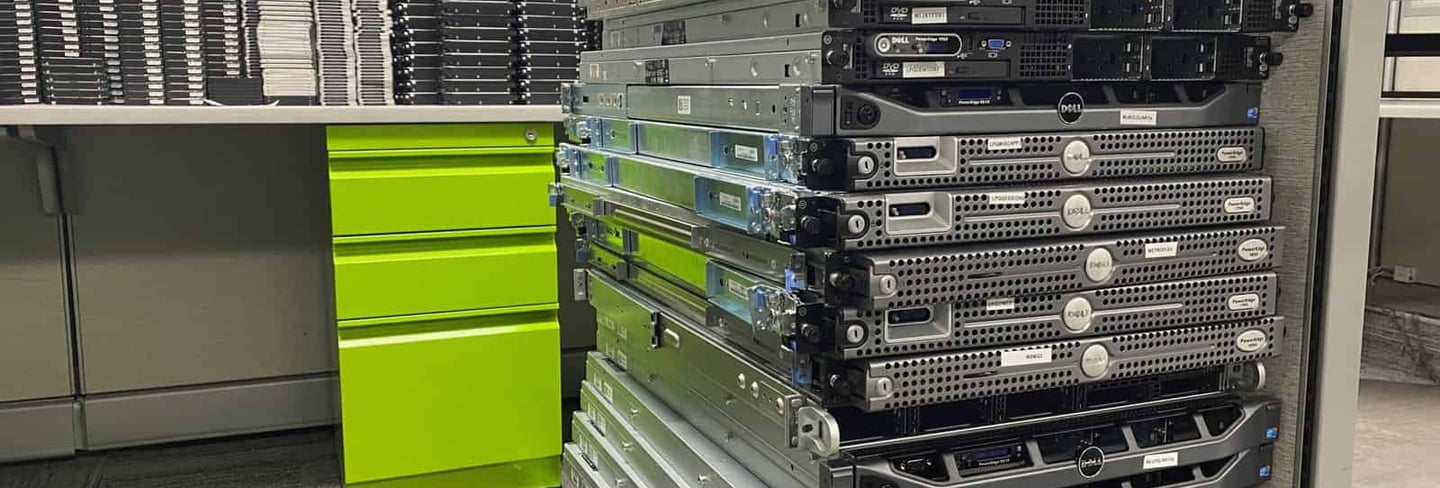
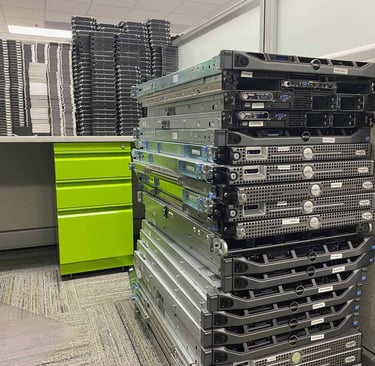
In this article, we delve deeper into how a proper ITAD exercise should be, and why ITAD is the preferred choice of responsible IT teams.
ITAD Process Flow
Phase 1: Planning and Preparation (Before Anything Leaves Your Premise)
This initial phase is crucial for laying the groundwork for a secure and compliant disposal process. Here are some aspects to note:
● Inventory and Audit: The first step is to create a comprehensive inventory of all hardware slated for disposal. This includes recording asset tags, serial numbers, model numbers, and original purchase dates. Crucially, all data storage devices within each piece of hardware, such as HDDs, SSDs, tapes, and even certain network device configurations, must be specifically identified. Their current physical location within the data center or office also needs to be noted
● Risk Assessment and Policy Adherence: A thorough risk assessment is vital. This involves classifying the data that was stored on each device (e.g., public, internal, confidential, highly restricted). This classification directly dictates the required level of data sanitization. Organizations must review their internal data retention and destruction policies, as well as external regulations like GDPR, HIPAA, PDPA in Singapore, ISO 27001, and Sarbanes-Oxley. Defining who has access to the hardware during the disposal process and establishing physical security measures are also critical
● Vendor Selection (Crucial Step): Choosing the right IT Asset Disposition (ITAD) provider is paramount. Organizations should research and vet certified ITAD providers, looking for recognized certifications where possible. Due diligence includes requesting proof of certifications, insurance, and detailed information on their data destruction methods, along with client references. Service Level Agreements (SLAs) should clearly define expectations regarding data sanitization, asset tracking, reporting, chain of custody, and timelines. A formal legal contract outlining responsibilities, liabilities, and guarantees is essential
● Internal Approval and Budgeting: Securing necessary internal approvals from departments like IT, Security, Finance, and Legal is a prerequisite. A dedicated budget for ITAD services, which may encompass transportation, data sanitization, certification, and potential recycling fees, must be allocated
● Pre-Disposal Data Backup and Migration: Before any hardware is prepared for disposal, it's critical to ensure that all necessary data has been securely backed up, migrated to new systems, or is no longer needed. This step is vital to prevent any data loss
Phase 2: On-Premise Data Sanitization and Preparation (If Applicable)
Depending on the sensitivity of the data and compliance requirements, some organizations opt for on-site data sanitization. Apart from this step, the others are:
● Physical Removal from Racks: Equipment is carefully powered down and removed from racks
● Data Sanitization: For highly sensitive data or specific compliance reasons, organizations may choose to perform data sanitization on-site before the hardware leaves their control. This can involve data wiping, degaussing, or physical destruction of drives. This process is typically carried out by trained personnel, who can be internal staff or certified ITAD technicians. Detailed logs of drive serial numbers and the destruction methods used are meticulously maintained. Some organizations may choose to retain storage media instead of sanitization or destruction
● Component Separation (If Needed): If certain components, such as CPUs, RAM, or specific network modules, are to be retained (an excellent choice for organizations who want to keep some spares for existing infrastructure) or handled differently, they are physically removed at this stage
● Packaging and Staging: Hardware is securely packaged in appropriate containers, such as pallets or flight cases, to prevent damage during transit. The packaged equipment is then staged in a secure area, awaiting pickup by the ITAD provider
Phase 3: Secure Transportation and Chain of Custody
Maintaining a robust chain of custody is critical throughout the transportation phase.
● Supervised Loading: The ITAD provider's secure transport team loads the equipment, often under video surveillance or direct supervision from the organization's security personnel
● Secure Logistics: The equipment is transported in secure, often unmarked, vehicles equipped with GPS tracking. Containers may be sealed to prevent tampering. A detailed manifest, confirming the exact items leaving the site, is signed by both the organization's representative and the ITAD driver upon pickup. This document is crucial for audit trails
Phase 4: ITAD Processing Facility (The Core of Disposal)
Once the hardware arrives at the ITAD facility, a comprehensive processing workflow begins. This is generally transparent to the organization conducting the ITAD exercise, though some do visit the facility to witness downstream activities, especially those related to the physical destruction of physical storage media.
● Receiving and Reconciliation: Upon arrival, the shipment is unloaded and reconciled against the manifest. Any discrepancies are immediately flagged. Each asset is typically scanned and logged into the ITAD's asset tracking system
● Data Destruction Verification & Execution: Even if on-site wiping was performed, a reputable ITAD provider may at the organization’s request, perform a second, verified data destruction process, such as further wiping, degaussing, or physical shredding of drives. A Certificate of Data Destruction is issued for all data-bearing devices, detailing the method used (e.g., NIST 800-88 compliant wipe, shredding) and including serial numbers. This certificate serves as definitive proof of secure data destruction
● Asset Processing and Value Recovery: Hardware is assessed for its condition and potential for reuse or recycling. Functional equipment with residual value is professionally cleaned, repaired, and configured for resale on secondary markets, with storage media rigorously wiped multiple times. Valuable components are salvaged from equipment that will not be resold as a whole. Equipment destined for recycling is de-manufactured and disassembled, with hazardous materials segregated
● E-waste Recycling: Non-reusable materials are broken down into raw components (metals, plastics, glass). These materials are then sent to specialized recyclers for responsible processing and reintegration into the manufacturing supply chain. Hazardous materials are managed and disposed of according to strict environmental regulations
Phase 5: Reporting and Certification
The final phase involves comprehensive reporting and certification to ensure accountability and compliance.
● Final Reports: The ITAD provider issues comprehensive reports, which typically include an Asset Disposition Report, detailing all assets received, their serial numbers, and their final disposition (reused, recycled, shredded). A Certificate of Data Destruction, crucial for compliance, confirms that all data on specified drives has been securely destroyed. Environmental reports may also be provided, including metrics on materials recovered and e-waste diverted from landfill
● Audit Trail: The entire process, from pickup to final disposition, creates a comprehensive auditable trail that demonstrates compliance with internal policies and external regulations. By adhering to this structured approach, organizations ensure their decommissioned infrastructure hardware is handled securely, responsibly, and in full compliance with all relevant standards and regulations, both in Singapore and globally
After ITAD: Making IT Sustainable with Refurbished Infrastructure Equipment
Once the ITAD process is complete, it is not uncommon for hardware that has value to enter the preowned hardware market for circularity. This is a powerful strategy for making IT sustainable by moving away from the traditional "take-make-dispose" linear model towards one that emphasizes reuse, repair, and recycling
By putting hardware back into the circularity, the following benefits are realized:
1. Reducing Electronic Waste (E-Waste):
● Extending Product Lifespan: The most direct impact of using preowned equipment is giving functional devices a "second life". Instead of ending up in landfills, where they can leach hazardous materials like lead, mercury, and cadmium into the environment, these devices continue to be useful
● Delaying Obsolescence: Preowned equipment often has years of useful life left. By extending their operational time, businesses reduce the frequency of new purchases and, consequently, the volume of e-waste generated
● Combating the Global E-Waste Crisis: E-waste is one of the fastest-growing waste globally, projected to reach 75 million tonnes by 2030. Embracing preowned hardware directly combats this alarming trend
2. Conserving Natural Resources:
● Reduced Raw Material Extraction: Manufacturing new IT infrastructure requires significant amounts of raw materials, including precious metals (gold, silver, palladium), rare earth elements, plastics, and various minerals. By choosing preowned equipment, the demand for these finite resources is reduced, minimizing the environmental impact of mining and processing
● Water Conservation: The extraction and manufacturing processes for new electronics are highly water-intensive. Opting for preowned equipment indirectly conserves vast quantities of water. For example, manufacturing one new laptop alone generates significant water consumption
● Mitigating Land Degradation and Habitat Destruction: Resource extraction leads to habitat destruction, deforestation, and soil erosion in ecologically sensitive areas. Using existing hardware lessens this pressure
3. Lowering Carbon Footprint and Energy Consumption:
● Avoiding Manufacturing Emissions: The majority of a device's carbon emissions (estimated 70-80% for a laptop) occur during its manufacturing phase, not during its operational use. By choosing preowned, organizations avoid the carbon emissions associated with producing new hardware
● Reduced Transportation Emissions: While preowned equipment still requires transportation, the overall emissions associated with the global supply chain for new manufacturing, including component sourcing, assembly, and distribution, are significantly higher
● Energy Efficiency (with caveats): While newer equipment might offer greater energy efficiency per unit of processing power, the energy savings from avoiding the energy-intensive manufacturing process of a new device often outweigh the operational energy differences over the extended lifespan of preowned equipment
4. Economic Benefits (Supporting Sustainability):
● Cost Savings: Preowned infrastructure equipment is typically available at a significant discount compared to new hardware. These cost savings can be reinvested into other sustainability initiatives or business growth
● Increased ROI: By extending the useful life of hardware, organizations maximize the return on their initial investment, contributing to a more sustainable financial model
● Flexible Scaling: For businesses with fluctuating demands, preowned equipment offers a cost-effective way to scale IT infrastructure up or down without heavy capital outlay
There’s a lot happening behind the scenes when you kick off any ITAD exercise. Of paramount importance is the secured destruction of data and increasingly, contributing to an organization’s sustainability metric. Further downstream, other users benefit from the availability of preowned hardware, either maximizing every precious dollar they have or access to spares to keep their infrastructure running.
Every resource saved is a resource that can go to better use.
Email us. Don't be shy!
Product issue? Tell us!
Good old mail? Send here.
60 Paya Lebar Road, Paya Lebar Square #06-33 Singapore 409051
Speak with us.
+65 6433 9395